
“Begadang,” released in 1975 by O.M. (Orkes Melayu) Soneta under the leadership of Oma Irama (later known as Rhoma Irama), was a groundbreaking album that marked the beginning of the dangdut music genre in Indonesia. At the time, Indonesia was undergoing significant social and cultural changes, with a growing urban population and increasing exposure to Western and Indian influences. Oma Irama, originally part of the Orkes Melayu Purnama, broke away to form O.M. Soneta, aiming to create a new sound that blended traditional Malay music with modern elements. The album’s title, “Begadang,” which means “Stay Up All Night,” reflected the lively, energetic nightlife of the era and captured the spirit of a youth culture that was eager for change and entertainment.
Oma Irama’s vision for “Begadang” was to transform the soft, acoustic style of Orkes Melayu into something more dynamic and competitive, drawing inspiration from Western rock and Indian Bollywood music. He electrified the music by incorporating keyboards, electric guitars, and a strong rhythmic beat, while still retaining traditional instruments like the suling (flute) and gendang (drum). The lyrics, written by Oma Irama and other contributors, often told stories of love, nightlife, and everyday struggles, making them relatable to a wide audience. Songs like the title track “Begadang” and the duet “Sampai Pagi” with Elvy Sukaesih showcased a mix of cheerful melodies and emotive vocals, blending modernity with cultural roots.
The album was widely received with enthusiasm in Indonesia, quickly gaining popularity and establishing Oma Irama as a pioneer of dangdut. It ranked 11th on Rolling Stone Indonesia’s list of the “150 Greatest Indonesian Albums of All Time,” and the title track reached 24th on their “150 Greatest Indonesian Songs of All Time” list. Culturally, “Begadang” had a profound impact, helping to define dangdut as a genre that spoke to the masses, combining entertainment with a sense of identity. It paved the way for Oma Irama’s later transformation into Rhoma Irama, a figure who would infuse his music with Islamic values and social messages, making dangdut a powerful cultural force in Indonesia for decades to come.
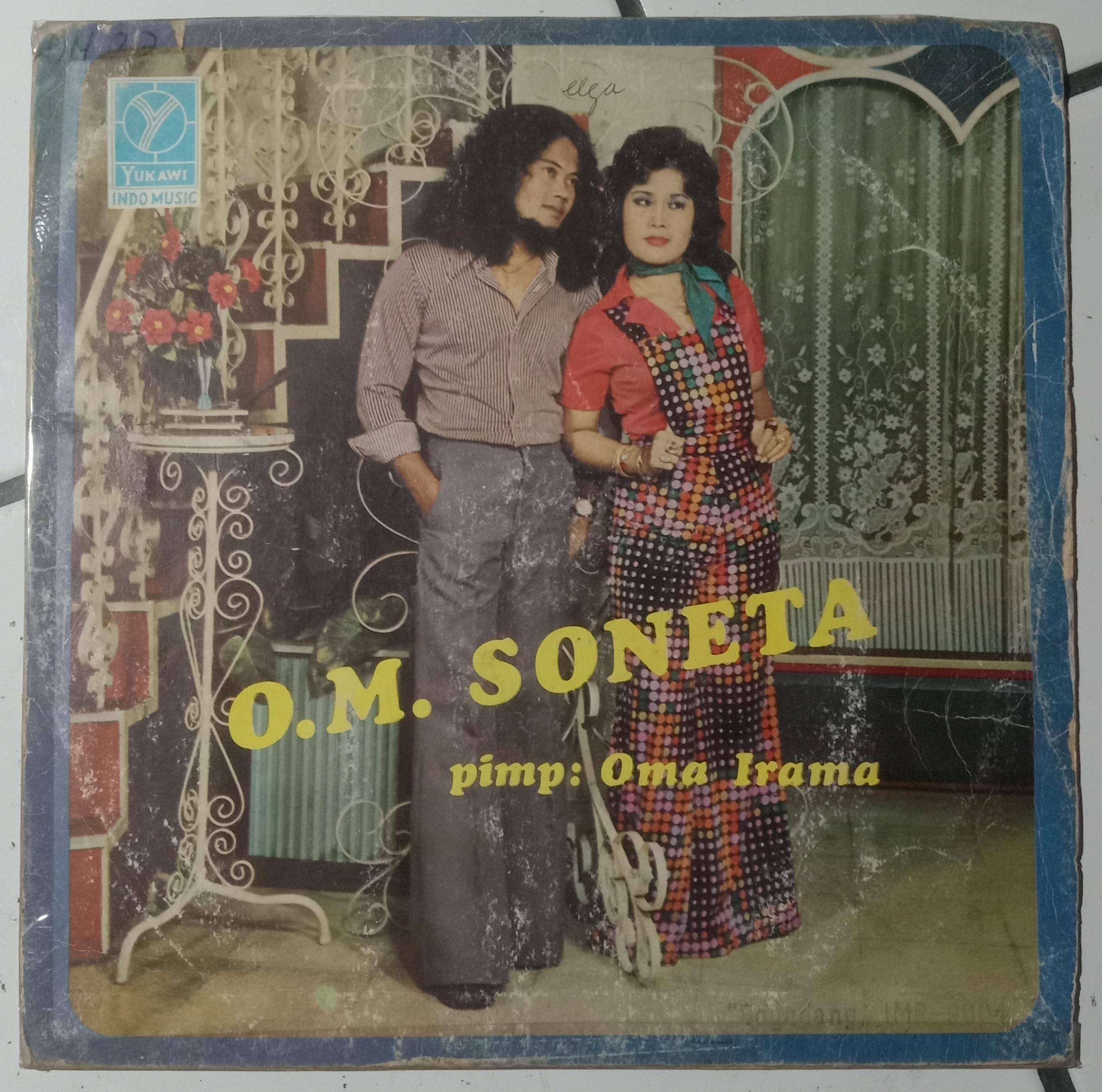

Source: madrotter
5 Mei 27 Mei 28 April 2021 2022 2023 2024 2025 2026 Aparatur Sipil Negara (ASN) April 2023 Desa Dokumen Dokumen Kinerja Dokumen Perencanaan Februari 2024 Februari 2025 Inspektorat Daerah Januari 2024 Kecamatan Kementerian Dalam Negeri Kinerja Laporan Hasil Evaluasi Laporan Hasil Evaluasi AKIP Laporan Hasil Evaluasi AKIP Tahun 2022 Laporan Hasil Evaluasi AKIP Tahun 2023 Laporan Hasil Evaluasi AKIP Tahun 2024 Mei 2024 Mei 2025 Music Music Album Musrenbang Musrenbang Desa Musrenbang Kecamatan Musrenbang RKPD Musrenbang RKPD Tahun 2025 Pirate Rencana Kerja Pemerintah Daerah Rencana Pembangunan Jangka Menengah Daerah RKPD Tahun 2025 SAKIP SAKIP Tahun 2024 Sekretariat Daerah Surat Surat Edaran
“Remember, there are no bad crews… only bad leaders.”
“I’ve gotten where I’ve gotten through hard work. I don’t lie. I don’t steal, and I certainly don’t cheat. And I’m not about to start now.”
“They’re not gonna catch us. We’re on a mission from God.”
“No one ever wins a fight”
“¿Quiere usted bailar conmigo?”
“Sate, 200 tusuk makan di sini.”
“There’s no place like home.”
“Say ‘hello’ to my little friend!”
“I love the smell of napalm in the morning.”
“I’m gonna make him an offer he can’t refuse.”
“You talkin’ to me?”


